Reviewing Mylar Lucky Ducky for Craft Fair Success
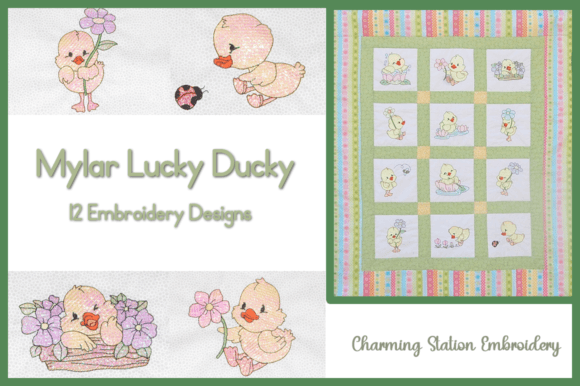
As an embroidery designer who has spent countless weekends behind a booth table, I know that the difference between a browser and a buyer often comes down to visual impact. When I first loaded the Mylar Lucky Ducky files into my software, my immediate impression was one of playful sophistication. This is not just another cute animal motif; it is a strategic design asset for the modern craft fair product lineup. The concept leverages Mylar film to create a metallic sheen without the notorious headaches of metallic thread, such as shredding or tension issues. For those of us running a small shop product line, efficiency is everything.
First Impressions and Market Appeal
The aesthetic of Mylar Lucky Ducky sits comfortably in the sweet spot between whimsical and premium. While many Baby Animals designs lean heavily into pastel softness, this collection offers a bold sparkle that catches the eye from across a crowded aisle. It feels festive yet timeless, making it versatile enough for spring collections or year-round giftable items. The twelve unique designs provide enough variety to keep a display interesting without overwhelming the customer with too many choices. In the world of Embroidery, variety is key, but cohesion builds a brand. These duckies offer both.
For an Etsy seller or boutique maker, the visual appeal of Mylar cannot be overstated. It photographs beautifully, creating natural highlights that make digital listings pop. When a customer sees a photo of a tote bag with a shimmering ducky, they perceive higher value. It looks expensive, even though the production cost remains low. This perceived value is crucial for converting online browsers into buyers who are looking for something special.
Product Applications and Versatility
The true test of any machine embroidery design is its versatility across different substrates. Mylar Lucky Ducky shines in several key areas for craft fair vendors. Here is how I envision using these designs in a real-world booth setup:
- Tote Bag Design: A large 5x7 ducky centered on a canvas tote creates an instant bestseller. The Mylar adds a touch of glamour to a utilitarian item.
- Apron Embroidery: Placing a smaller 4x4 ducky on the bib of a kitchen apron appeals to home cooks who want personality in their gear.
- Tea Towel Embroidery: These make excellent impulse buys. The sparkle contrasts nicely against white or neutral linen textures.
- Embroidered Patch: Using felt backing, these can become iron-on patches for denim jackets or backpacks, appealing to a younger demographic.
- Fabric Pouches: Small zippered pouches with a single ducky accent are perfect for makeup or school supplies.
Each of these items serves a different customer need, allowing you to maximize the utility of your digital embroidery file purchase. The ability to scale between the 4x4 and 5x7 hoop sizes means you can adapt the design to fit tight spaces on caps or larger areas on pillow covers without losing integrity.
Production Practicality for Batch Selling
When preparing for a weekend market, time is money. The description notes that these designs are optimized for Mylar to avoid the fuss of metallic thread. From a production standpoint, this is a game-changer. Metallic thread requires slow stitching speeds, frequent needle changes, and constant tension monitoring. Mylar, when used correctly, allows you to run your machine at standard speeds with regular polyester or rayon thread. This significantly increases your output capacity for commercial embroidery runs.
However, practical success requires attention to detail. You must consider stitch density. While Mylar simplifies the thread issue, the underlying stitch pattern must still be robust enough to hold the film in place without puckering. Always check the design assets and preview the stitch order in your software. Ensure that the tack-down stitches are sufficient to secure the Mylar before the satin or fill stitches cover it. If the design feels too light, it may shift during washing, which leads to returns and negative reviews.
Careful-Use Notes and Technical Considerations
Even with optimized designs, there are pitfalls to avoid. Here are critical technical notes for working with Mylar Lucky Ducky:
- Fabric Texture: Mylar works best on smooth surfaces. Textured towels or thick denim may prevent the Mylar from lying flat, causing it to wrinkle or tear under the needle.
- Dark Fabric: Ensure the thread colors contrast well with the fabric. Since Mylar is reflective, it can sometimes blend into dark backgrounds if the surrounding stitches are also dark. Use lighter thread colors to frame the sparkle.
- Curved Surfaces: Embroidering on caps requires careful hooping. The 4x4 size is ideal for curved cap surfaces, but ensure your stabilizer is strong enough to prevent distortion.
- Small Details: At the 4x4 size, tiny details may get lost. Verify that the beak and eyes are distinct and not merged by the satin stitches.
- Stabilizer Choice: Use a cut-away stabilizer for stretchy fabrics like t-shirts and a tear-away for stable woven fabrics like tote bags. This ensures the design remains crisp after wear and wash.
Enhancing Brand Consistency and Buyer Engagement
Using a cohesive set like Mylar Lucky Ducky helps build brand recognition. When customers see the same high-quality, sparkling aesthetic across your tote bags, aprons, and patches, they begin to trust your craftsmanship. This consistency turns casual shoppers into loyal followers. Furthermore, the unique look of Mylar encourages social sharing. Customers are more likely to post photos of their new sparkly ducky tote on Instagram, providing free marketing for your handmade product line.
To maximize this effect, create a printable mockup or a physical sample board for your booth. Display the same design on three different items to show versatility. Explain the benefit of Mylar to customers who might worry about durability. Assure them that when stitched correctly, the Mylar is encased in thread and protected, lasting through many washes.
Final Designer Recommendations
Before you commit to full production, follow these steps to ensure quality control. First, test the design on scrap fabric that matches your intended product material. Check thread colors against both light and dark backgrounds. Confirm the hoop size fits your machine’s capabilities and that the design centers correctly. Inspect the back of the embroidery for excessive jumps or loose threads, which can indicate tension issues.
Most importantly, verify the licensing terms. While this review assumes standard commercial use for finished physical goods, always read the specific license included with your embroidery file. Some designers restrict the number of units you can sell or prohibit sharing the digital file itself. Respect these boundaries to maintain professional integrity in the embroidery community.
In conclusion, Mylar Lucky Ducky is a strong contender for any craft fair vendor looking to add sparkle and efficiency to their lineup. It balances cuteness with commercial viability, offering a unique visual hook that stands out in a sea of standard thread designs. By understanding the technical nuances of Mylar application and leveraging the versatility of the two available sizes, you can create a compelling range of products that delight customers and boost your bottom line.