Rose Mini Quilt-R: A Designer’s Review for Craft Fair Success
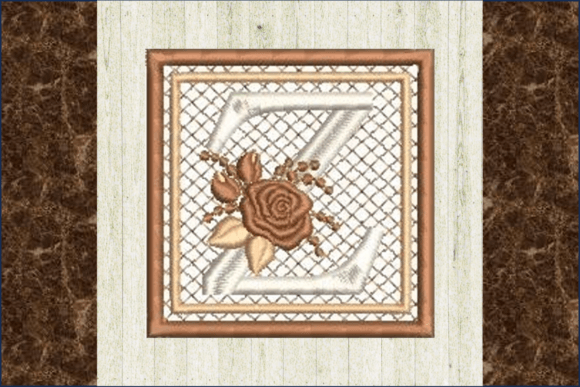
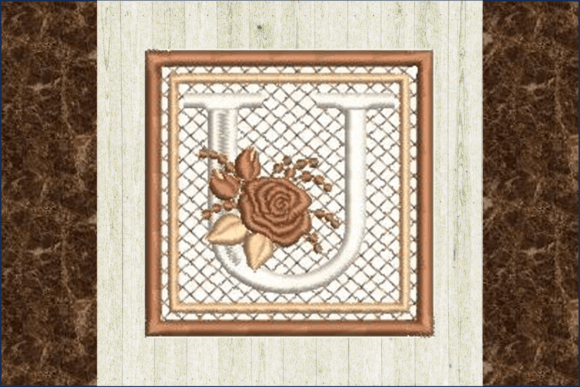
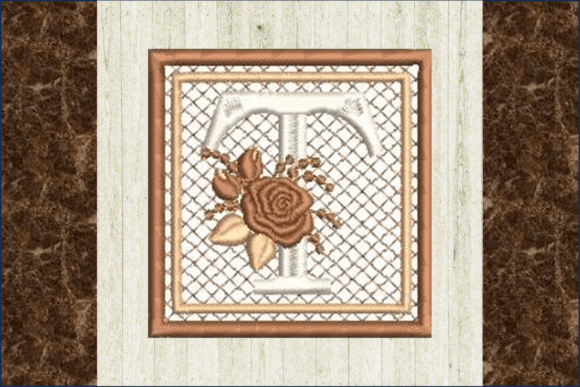
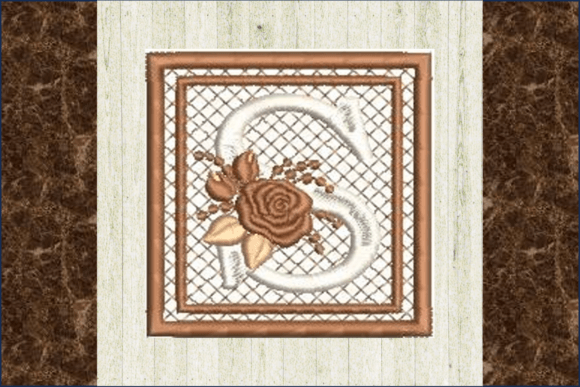
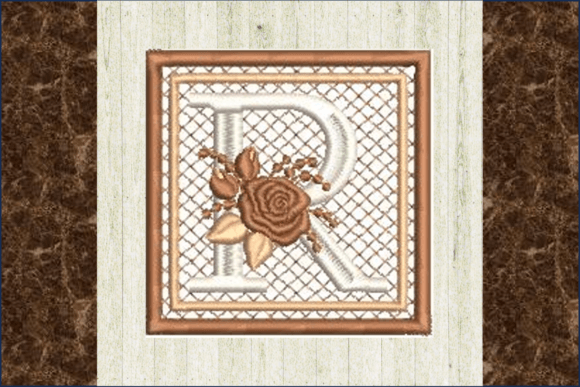
As an embroidery designer who has spent countless weekends behind a booth table, I know that the difference between a browser and a buyer often comes down to visual impact. When I first loaded the Rose Mini Quilt-R onto my machine, I wasn’t just looking at stitches; I was looking at potential revenue. This design, part of the 1660-Rose Mini Quilt monogram series, offers a unique blend of structural charm and delicate floral aesthetics that immediately caught my eye as a viable asset for small shop products.
First Impressions: Balancing Rustic Charm with Modern Appeal
The immediate vibe of Rose Mini Quilt-R is undeniably warm. It sits comfortably in the farmhouse and rustic categories but retains enough elegance to appeal to modern boutique makers. The "quilt" aspect suggests a textured, layered look, which translates beautifully into thread. For craft fair sellers, this is crucial. Customers at handmade markets are tactile shoppers. They want items that feel substantial and thoughtful. This machine embroidery design delivers that perception of quality without requiring hours of manual quilting.
What stands out most is its versatility as a monogram frame. While many floral designs overwhelm the lettering, this design seems to support it. It creates a perfect border for personalization, which is the holy grail for Etsy sellers and custom gift creators. Whether you are aiming for a soft, romantic aesthetic or a bold, decorative statement, the structure of Rose Mini Quilt-R allows for significant creative freedom.
Product Applications: Where This Design Shines
In my experience preparing for a weekend craft fair, not every design works on every product. Some are too dense for thin fabric; others are too small to be seen from three feet away. Here is how I envision Rose Mini Quilt-R performing across various handmade products:
- Tote Bags and Market Bags: This is perhaps the strongest application. A large hoop size allows the full quilted rose pattern to breathe. It transforms a plain canvas tote into a premium accessory. The design acts as a focal point that draws customers into your booth from across the aisle.
- Tea Towels and Bath Towels: As noted in the description, these monograms are perfect for bath towels. However, caution is needed with texture. On plush terry cloth, the finer details might get lost. I recommend using this on waffle weave or flat cotton tea towels where the stitch definition remains crisp.
- Aprons: An embroidered apron is a top seller in the kitchenware category. Placing Rose Mini Quilt-R on the bib or pocket adds a professional, boutique touch that mass-produced items lack.
- Scarves and Fabric Accessories: For lighter fabrics like scarves, ensure you use a lightweight cut-away stabilizer. The design can serve as a beautiful corner accent, adding value without weighing down the drape of the fabric.
- Bookshelf Decorations and Patches: The description mentions cute bookshelf decorations. This suggests the design scales well down to smaller sizes. An embroidered patch featuring this motif could be ironed onto denim jackets or backpacks, appealing to a younger demographic.
Production Practicalities for the Small Shop Owner
When running a small business, efficiency is key. You need designs that are repeatable and reliable. Rose Mini Quilt-R appears to be designed with production in mind. The monogram style implies that once you have your hooping jig set up, you can batch produce items quickly by simply changing the letter. This reduces setup time and increases your profit margin per hour.
Photography is another critical factor. This design photographs exceptionally well because of its defined edges. For your Etsy listings or social media marketing, the contrast between the thread and the fabric will pop in digital images. Creating a printable mockup or a high-quality digital rendering of this design on various backgrounds can help you test color combinations before you even thread your needle.
Careful-Use Notes and Technical Considerations
While the design is robust, there are technical nuances to consider to ensure a high-quality finished product:
- Stitch Density: Quilt-style patterns can sometimes be dense. Check the stitch density in your software. If it is too high for lightweight fabrics, you may experience puckering. Always test on scrap fabric first.
- Fabric Texture: Avoid using this on highly textured fabrics like heavy bouclé or shaggy towels unless you are using a topping. The intricate details of the rose and quilt pattern need a smooth surface to be fully appreciated.
- Thread Colors: To maintain the "quilt" illusion, consider using matte threads rather than shiny rayon. Cotton or polyester matte threads mimic the look of actual quilting thread, enhancing the rustic appeal.
- Small Lettering: If you are scaling the design down for patches or small pouches, ensure the monogram letter remains legible. Tiny details can merge if the hoop size is too small relative to the complexity of the border.
- Curved Surfaces: Embroidering on caps requires a cap frame and careful attention to the center alignment. The symmetry of Rose Mini Quilt-R must be perfect on a curved surface, or it will look distorted.
Enhancing Brand Consistency and Buyer Engagement
Using a cohesive design family like the 1660-Rose Mini Quilt series helps build brand recognition. If customers see this distinct style on your tote bags, they will recognize it on your aprons and pillows. This visual consistency signals professionalism and care, which increases perceived value. Buyers are willing to pay more for items that look like part of a curated collection rather than random assortments.
Furthermore, this design encourages engagement. Because it is a monogram, it invites customization. At a craft fair, having a sample with different letters allows customers to visualize their own name or initials on the product. This personal connection is a powerful sales tool that digital embroidery files alone cannot replicate until they are stitched out.
Final Designer Recommendations
Before launching Rose Mini Quilt-R into your commercial embroidery lineup, take these practical steps:
- Test Extensively: Stitch out the design on at least three different fabric types: cotton, linen, and towel material. This will give you a realistic range of how it performs.
- Check Licensing: Ensure you understand the license terms for this digital embroidery file. Most designers allow commercial use for finished physical products, but always verify before selling.
- Optimize Hoop Size: Determine the minimum and maximum hoop sizes this design supports. This will help you plan your inventory and avoid wasting materials on failed hoops.
- Create Mockups: Use design assets to create realistic images for your online store. Show the design on a cozy pillow cover and a sturdy tote bag to demonstrate versatility.
In conclusion, Rose Mini Quilt-R is a strong contender for any sewing and embroidery business looking to expand its craft fair offerings. It balances aesthetic appeal with production practicality, making it a smart choice for both new and experienced makers. By paying attention to fabric choice and stitch optimization, you can turn this digital file into a best-selling handmade product.