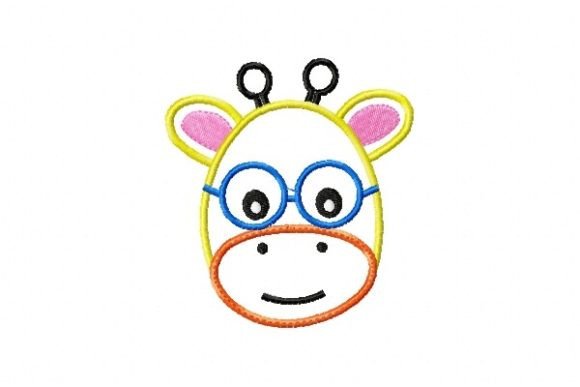
Baby Giraffe Face: A Designer’s Review for Brand Merch
As an embroidery designer who has spent years digitizing files for small businesses, I approach every new machine embroidery design with a critical eye. It is not just about whether the image looks cute on a screen; it is about how it translates to fabric, how it holds up in a commercial setting, and whether it adds genuine value to a brand. Recently, I reviewed the Baby Giraffe Face design, categorized under Baby Animals, to determine its viability for branded merchandise and professional use.
The initial impression of this embroidery file is undeniably friendly and playful. The description notes that it adds a "friendly and playful accent to any fabric," and from a design perspective, this accuracy is crucial. For businesses targeting families, children, or those seeking a warm, approachable aesthetic, this design hits the mark. However, translating a digital concept into a tangible finished product requires more than just charm. It requires technical precision and strategic placement.
Evaluating Visual Personality and Brand Fit
When considering brand identity, consistency is key. The Baby Giraffe Face exudes a handmade, soft quality that works exceptionally well for boutiques, bakeries, florists, and creative studios. It does not scream corporate rigidity; instead, it invites connection. If your business relies on trust and warmth, such as a local pet brand or a family-oriented café, this design can serve as a powerful visual anchor.
However, elegance and professionalism are subjective. While this design is perfect for small business merch aimed at a younger demographic or gift markets, it may not suit high-end luxury brands or industrial services. The playful nature of the giraffe face suggests a casual, welcoming tone. Before purchasing, ask yourself if this tone aligns with your current design assets and overall marketing strategy.
Practical Applications for Small Business Merchandise
The versatility of a simple animal face allows for diverse applications in commercial embroidery. Here is how I envision this design performing in real-world scenarios:
- Embroidered Patches: This is perhaps the strongest use case. A satin-stitched giraffe face on a twill backing creates a durable, removable badge for tote bags or denim jackets. It allows customers to customize their own gear, increasing engagement.
- Staff Uniforms and Aprons: For a children’s boutique or a playful café, stitching this onto the chest pocket of an apron embroidery project adds personality without overwhelming the uniform. It humanizes the staff and makes them approachable.
- Cap Embroidery: Placing the face on the front panel of a dad hat or baseball cap can be effective, provided the design is scaled correctly. It serves as a subtle brand marker rather than a loud logo.
- Tote Bag Design: Canvas totes are popular eco-friendly merchandise. The texture of canvas holds embroidery well, and the giraffe face acts as a charming focal point for grocery runs or beach days.
- Product Packaging Accents: Small-scale versions can be stitched onto fabric tags or ribbon ends for high-end handmade products, adding a premium, tactile element to unboxing experiences.
Technical Considerations for Production Quality
While the aesthetic is appealing, the technical execution determines whether the custom apparel looks amateur or professional. As a designer, I always advise checking specific details before running a production batch. The product description mentions it is suitable for children’s clothing, which implies a certain level of softness and safety, but we must look deeper.
First, consider stitch density. If the design is too dense, it can cause puckering, especially on lighter fabrics like cotton tees or linen aprons. Conversely, if it is too sparse, the fabric underneath may show through, ruining the visual impact. Always request a test stitch-out on the exact fabric you intend to use.
Second, evaluate the thread colors. The giraffe face likely relies on yellows, browns, and blacks. Ensure there is sufficient contrast between these colors and your base fabric. Stitching a light yellow giraffe on a white tote bag will result in poor visibility. Dark uniforms or navy caps might require a border or backing to make the design pop.
Third, pay attention to the hoop size and placement. The description does not specify exact dimensions, so you must verify the file’s scalability. Can it be resized without losing detail? Small details like eyes and nostrils can become distorted if scaled down too far for a tiny patch. Always check the minimum recommended size provided by the digitizer.
Challenges and Where to Use Caution
Not every item is suitable for this design. Curved surfaces, such as the front of a structured cap, can distort facial features if the design is not digitized with pull compensation in mind. Additionally, textured fabrics like heavy wool or terry cloth may swallow fine details, making the giraffe’s expression muddy.
For items that undergo frequent washing, such as staff uniforms or baby clothing, durability is paramount. Ensure you use a high-quality stabilizer—cut-away stabilizer is often best for stretchy fabrics—to prevent the design from shifting or tearing over time. Avoid placing large, dense designs on areas that experience high friction, such as the sides of bags or under arms.
Enhancing Customer Trust and Engagement
In the world of Etsy sellers and crafters, presentation is everything. Using a recognizable and appealing motif like Baby Giraffe Face can increase buyer engagement. It signals that care went into the product. When customers see consistent, high-quality embroidery across your handmade product line, it builds trust.
To maximize this effect, create a printable mockup or a digital preview showing the design on various items. Show potential clients how the giraffe looks on a tote, a cap, and a onesie. This helps them visualize the value and encourages upsells. Consistency in using this design across your social media and product listings reinforces your brand’s visual identity.
Final Designer Notes and Licensing
Before integrating Baby Giraffe Face into your inventory, take these practical steps:
- Test in Black and White: Print or stitch the design in monochrome first to check for clarity and detail retention without the distraction of color.
- Verify Commercial Licensing: The description hints at machine use but does not explicitly state license terms. Always confirm that the digital embroidery file comes with a commercial use license if you plan to sell finished goods. Never assume.
- Check File Formats: Ensure the file is compatible with your specific embroidery machine brand (e.g., PES, DST, JEF). Conversion can sometimes alter stitch paths.
- Compare with Existing Assets: Place the giraffe next to your current logos or designs. Does it complement them, or does it clash stylistically?
In conclusion, the Baby Giraffe Face is a strong contender for businesses looking to add a touch of warmth and playfulness to their merchandise. It excels in patches, casual apparel, and accessories where a friendly vibe is desired. By paying attention to technical details like stabilizer choice, thread contrast, and sizing, you can ensure that this design elevates your brand rather than detracting from it. For small business owners ready to expand their Embroidery offerings with charming, high-quality motifs, this design warrants a serious look.