Little Baby Feet: A Designer’s Honest Review
As an embroidery designer who spends countless hours digitizing and testing files, I have developed a keen eye for what makes a machine embroidery design truly viable for commercial use. It is not just about how the image looks on a screen; it is about how the needle interacts with the fabric, how the thread tension holds up after washing, and whether the final finished product brings joy to the customer. Recently, I took a closer look at Little Baby Feet, a charming design available on Creative Fabrica, to determine if it deserves a spot in my active project library.
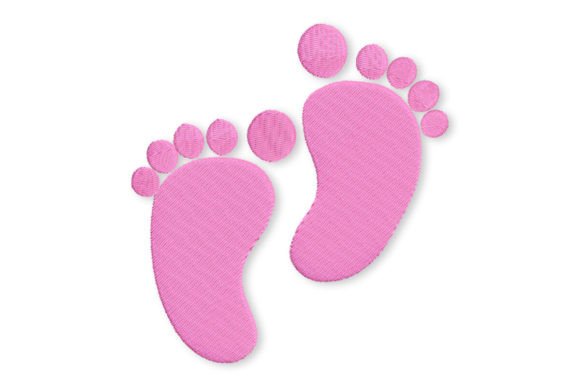
The first impression of Little Baby Feet is one of softness and nostalgia. The design features stylized baby feet rendered in a delicate pink color scheme, evoking the tenderness associated with new life. For designers focusing on the Boys category or gender-neutral collections, this might initially seem limited by its traditional color palette. However, experienced crafters know that thread colors are easily customizable. The true value lies in the digitization quality and the emotional appeal of the motif, which transcends specific color choices when applied correctly.
Visual Appeal and Stitching Personality
When evaluating any embroidery file, I look for balance between detail and stitch efficiency. Little Baby Feet offers a clean aesthetic that avoids unnecessary complexity. The lines are smooth, suggesting a thoughtful approach to satin stitch application where appropriate, likely complemented by fill stitch areas to give the feet dimension without creating excessive bulk. This balance is crucial for maintaining the integrity of the fabric, especially when working with delicate materials often used for baby items.
The decorative appeal of this design is its simplicity. It does not scream for attention but rather invites a closer look. This subtlety makes it versatile for various applications, from subtle accents on a tote bag design to a focal point on a nursery wall hanging. The visual mood is calm and affectionate, which aligns perfectly with the expectations of customers purchasing personalized gifts for newborns or expecting parents.
Real-World Application and Project Suitability
To test the versatility of Little Baby Feet, I considered several real-world scenarios where this design could add significant value. Here is how it performs across different mediums:
- Baby Blankets and Burp Cloths: The soft aesthetic fits naturally here. However, one must be cautious with stitch density on plush fabrics like minky or fleece. A proper cut-away stabilizer is essential to prevent puckering.
- Custom Apparel: For sweatshirt embroidery, the design works well on the chest or sleeve. The scale appears suitable for standard hoop sizes, making it accessible for most home machines.
- Tote Bags and Aprons: Canvas and cotton blends provide a stable base for this type of Embroidery. The design adds a handmade touch that elevates a simple bag into a cherished keepsake.
- Embroidered Patches: Creating standalone patches allows for batch production. The clean edges of the feet suggest they would hooped well for cutting, provided the digitization includes a proper tack-down or satin border.
For Etsy sellers and small business owners, this design offers a quick turnaround time. Unlike complex applique design projects that require multiple steps and fabric layering, a direct stitch design like this can be produced efficiently, allowing for higher volume during peak gift-giving seasons.
Technical Considerations for Professional Results
While the visual charm is evident, the technical execution determines whether a handmade product looks amateur or professional. When using Creative Fabrica embroidery assets, I always recommend a rigorous testing phase. Here are critical factors to consider before stitching your final item:
Fabric and Stabilizer Choice: Baby items are often made from stretchy knits or delicate wovens. Using the wrong stabilizer can lead to distortion. For knits, a heavy-duty cut-away is non-negotiable. For woven towels or aprons, a tear-away may suffice, but testing is key. Always stitch out a test on scrap fabric identical to your final material to check for registration issues.
Thread Color Contrast: Although the default preview shows pink, do not feel bound by it. For a custom apparel line targeting boys, consider soft blues, grays, or even mint greens. Ensure there is enough contrast between the thread and the fabric so the details of the feet remain visible. On dark fabrics, you may need to adjust the underlay stitches or use a lighter top thread to ensure visibility.
Hoop Size and Placement: Verify the required hoop size listed in the product details. While the design appears compact, ensuring it fits within your machine’s smallest hoop can save time on re-hooping. For curved surfaces like caps, ensure the design is not too wide, as this can cause wrapping issues around the curve.
Enhancing Product Value and Brand Consistency
Incorporating Little Baby Feet into your product line can significantly enhance buyer trust. Customers associate high-quality embroidery with durability and care. A well-stitched design signals that the creator pays attention to detail. This perception increases the perceived value of the item, allowing for healthier profit margins.
Furthermore, consistency in design style helps build a recognizable brand. If your shop specializes in tender, family-oriented goods, this design reinforces that narrative. It pairs beautifully with other baby-themed motifs, allowing you to create cohesive collections for commercial embroidery projects. Whether you are selling physical goods or offering digital embroidery file bundles, the quality of the source asset matters.
Final Verdict and Practical Advice
Is Little Baby Feet worth downloading? For designers looking for a reliable, sweet, and versatile motif for baby-related projects, yes. It serves as an excellent foundation for printable mockup creation and physical production. However, success depends on your preparation.
- Check File Details: Before purchasing, confirm the available formats match your machine. Review the license terms on the Creative Fabrica product page to ensure compliance for selling finished items.
- Test Stitch Density: Run a test stitch to ensure the density is not too high for your chosen fabric, which could cause stiffness or perforation.
- Inspect Small Details: Zoom in on the stitched sample. Are the tiny toes defined? Is there any thread nesting? Adjust tension if necessary.
- Consider Washing Durability: Baby items undergo frequent washing. Use high-quality polyester threads that resist fading and shrinking to maintain the design’s integrity over time.
In conclusion, Little Baby Feet is a solid addition to any embroidery designer’s toolkit. It offers the emotional resonance needed for heartfelt gifts while providing the technical simplicity required for efficient production. By respecting the material constraints and adhering to best practices in stabilization and thread selection, you can transform this digital asset into a tangible product that delights customers and strengthens your brand reputation.