Bee Merry: A Designer’s Review for Holiday Gifts
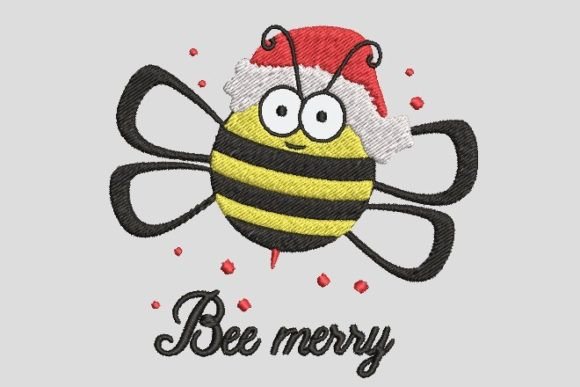
As an embroidery designer who spends countless hours testing files before they ever touch a customer’s fabric, I approach every new machine embroidery design with a critical eye. We all know that a pretty preview image is not enough; the true test lies in the stitching, the density, and how the final piece feels in the hand. Recently, I loaded the Bee Merry file into my software to evaluate its potential for my personalized gift shop. This Christmas Embroidery File promises charm and versatility, but does it hold up under the scrutiny of professional production? After running several test stitches and planning mockups for upcoming holiday orders, I am ready to share my practical insights.
First Impressions: Charm Meets Craftsmanship
The moment I opened the digital embroidery file, the mood was immediately apparent. Bee Merry strikes a delightful balance between playful and elegant. It does not rely on overly complex satin stitches that might bulk up the fabric, nor does it feel too sparse. The design exudes a sweet, handmade quality that appeals to buyers looking for something more meaningful than mass-produced decor. For those of us creating handmade products, this emotional appeal is crucial. It feels seasonal without being kitschy, making it a strong candidate for customers who appreciate subtle, classic holiday touches.
The detail level is moderate, which is a significant advantage. Intricate details can often get lost on textured fabrics or during washing, but the lines in Bee Merry appear robust enough to maintain their integrity. Whether you are aiming for a romantic nursery vibe or a cheerful kitchen aesthetic, this design adapts well. It invites the viewer to smile, which is exactly what we want from a personalized gift.
Versatility Across Product Lines
One of the strongest assets of this design is its adaptability. In my shop, I constantly look for designs that can serve multiple product categories to maximize return on investment. Bee Merry fits seamlessly into several niches:
- Baby Embroidery: The soft, rounded elements make it ideal for baby blankets and nursery items. It is gentle enough for a child’s room yet festive enough for a first Christmas keepsake.
- Kitchen Linens: An embroidered towel or apron featuring this design becomes an instant bestseller during the holiday season. The design scales well for hand towels, adding a touch of whimsy to everyday tasks.
- Home Decor: From a cozy pillow cover to a custom tote bag, the motif stands out against both neutral and bold backgrounds. It works beautifully as a central focal point or as part of a larger monogram arrangement.
- Wedding and Family Keepsakes: While distinctly Christmas-themed, the "Bee" element can be leveraged for family names or "Mrs." gifts if customized with text, bridging the gap between a wedding gift and a holiday present for newlyweds spending their first Christmas together.
For Etsy sellers and small shop owners, this versatility means you can create a cohesive collection. Imagine listing a matching set of a blanket, a pillow, and a stocking. The consistent use of Bee Merry ties these items together, increasing the perceived value and encouraging bundle purchases.
Navigating Fabric and Technical Challenges
While the design is charming, practical application requires caution. As experienced crafters know, not every fabric behaves the same way. Here is where I advise careful planning:
Fabric Texture and Thickness: If you are stitching on thick terry cloth towels, the smaller details of the bee’s wings or facial features might sink into the pile. I recommend using a cut-away stabilizer to provide extra support and prevent sinking. Conversely, on stretchy baby clothes, the stitch density must be monitored to avoid puckering. Always test on scrap fabric first.
Dark Fabrics: Thread color contrast is vital. On dark navy or black fabrics, ensure your thread colors pop. A metallic gold or bright yellow thread can elevate the design, but you may need to adjust the underlay settings in your software if the background shows through. Creating a printable mockup or digital preview on dark backgrounds can help visualize this before stitching.
Curved Surfaces: Stitching on curved items like mug hugs or rounded pillow edges requires precise hooping. Ensure your hoop size is appropriate for the design dimensions. If the design is large, consider splitting it or choosing a larger hoop to avoid re-hooping, which can lead to misalignment.
Enhancing Perceived Value and Customer Trust
Why does a design like Bee Merry matter for your business bottom line? It comes down to perceived value. A well-executed custom embroidery piece signals quality. When customers see clean stitches, proper tension, and a thoughtful design, their trust in your brand grows. This emotional connection turns a one-time buyer into a repeat customer.
Furthermore, this design photographs beautifully. The distinct shapes and festive colors stand out in product photos, boosting buyer engagement on social media and marketplaces. For small business owners, high-quality images of finished products are essential. A crisp photo of an embroidered tote bag with Bee Merry can stop a scroller in their tracks, driving traffic to your listings.
Practical Notes for Professional Results
Before you launch this design in your shop, follow these essential steps to ensure professional results:
- Check File Formats: The product description states that this machine embroidery design comes with multiple embroidery file formats and can be used with multiple embroidery machines. Verify that the specific format for your machine is included and compatible with your software version.
- Test Stitch Density: Run a test stitch on the actual fabric you plan to sell. Check for any thread breaks or excessive bulk. Adjust tension if necessary.
- Review Licensing: Always confirm commercial licensing terms. While many digital files allow for finished product sales, restrictions may apply to sharing the file itself. Ensure you are compliant before selling commercial embroidery items.
- Mockup Comparison: Create mockups on both light and dark fabrics. This helps you determine which thread palettes work best and allows you to offer customization options to your clients.
- Inspect Small Details: After stitching, examine the smallest elements closely. If any parts look fragile, consider adding additional tack-down stitches or simplifying the design in your editing software.
In conclusion, Bee Merry is a strong contender for any embroiderer’s holiday library. It offers the right mix of charm and technical feasibility, provided you pay attention to fabric choice and stabilization. For those looking to expand their Christmas collection with a design that feels both fresh and timeless, this file is worth the test stitch. Happy stitching!