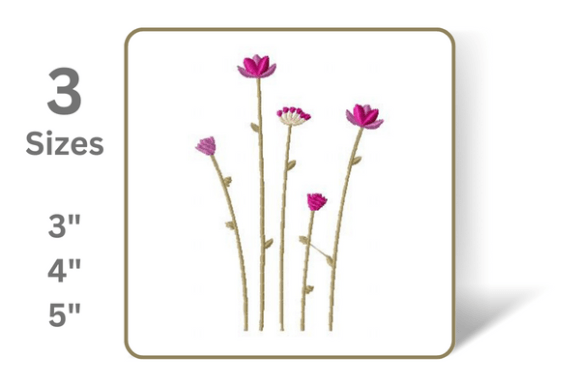
Flowers on Vines: A Designer’s Practical Review
When I first loaded the Flowers on Vines file into my digitizing software, I wasn’t looking for flashy effects or complex shading. I was looking for reliability. As a designer who spends half my life troubleshooting thread breaks and the other half convincing clients that their vision is technically feasible, I approach every new machine embroidery design with a healthy dose of skepticism. This particular piece caught my eye not because it was revolutionary, but because it felt usable. It promised a classic aesthetic that could bridge the gap between hobbyist charm and professional polish.
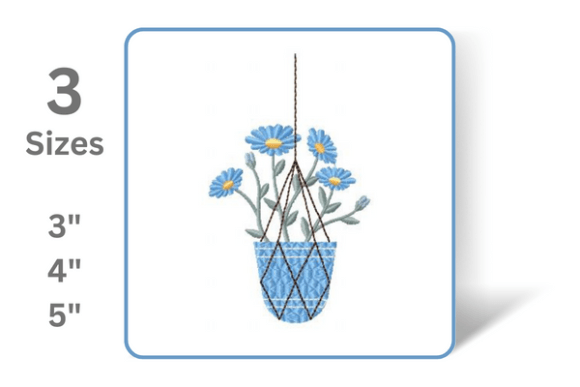
The initial impression is one of organic flow. The layout avoids rigid symmetry, which is often a trap in floral patterns. Instead, the vines curve with a natural irregularity that suggests growth rather than geometry. For those of us creating handmade products, this distinction matters. Customers can spot a stiff, computer-generated look from across a craft fair table. They are drawn to designs that feel soft and inviting. Flowers on Vines delivers that softness through its line work, balancing open spaces with detailed clusters.
Real-World Application: The Custom Tote Test
To truly evaluate an embroidery file, you have to move beyond the screen. I decided to test this design on a heavy canvas tote bag, a staple item for many Etsy sellers and small shop owners. The goal was to create a personalized gift option that felt boutique-quality without requiring hours of machine time.
The stitching process revealed the design’s true character. The transition between the vine stems and the flower petals relied heavily on a mix of satin stitch for the outlines and fill stitch for the broader petal areas. On the thick canvas, the density held up well. There was no puckering, provided I used a cut-away stabilizer appropriate for woven fabrics. The result was a crisp, raised texture that invited touch. This tactile quality is crucial for custom apparel and home decor; it adds perceived value to the finished product.
However, the real test came when I viewed the bag from a distance. Did the details blur? Fortunately, the scale of the flowers in Flowers on Vines is generous enough to maintain clarity. This makes it an excellent candidate for tote bag design projects where the item might be carried around a busy street or market. It doesn’t get lost in the noise.
Versatility Across Product Lines
One of the strongest assets of this design is its adaptability. While it shone on the tote, I immediately saw its potential in other categories. For sweatshirt embroidery, the design offers enough coverage to look substantial on a chest pocket or a larger back panel. The organic curves complement the soft drape of fleece or cotton blends, avoiding the stiff "patch" look that denser designs sometimes create on knit fabrics.
I also considered its use in baby embroidery. Parents often seek gentle, nature-inspired motifs for nursery items. The soft lines of the vines would translate beautifully onto a muslin swaddle or a denim jacket for a toddler. However, caution is needed here. When scaling down for smaller items like baby caps or bibs, the intricate details of the petals might merge. I recommend testing a smaller version on scrap fabric to ensure the stitch density doesn’t become too compact, which can lead to needle breaks or fabric distortion.
For holiday embroidery or seasonal collections, this design serves as a strong base. By simply changing the thread colors, you can shift the mood entirely. Earthy greens and browns suit autumn harvest themes, while pastels and whites evoke spring weddings. This flexibility is a huge advantage for craft business owners who need to refresh their inventory without buying new digital assets constantly.
Technical Considerations and Fabric Choices
No design is universal, and Flowers on Vines requires thoughtful execution on certain materials. If you are working with textured fabrics like terry cloth towels or thick wool, the finer details of the vine tendrils may get lost. In these cases, increasing the stitch width slightly or choosing high-contrast thread colors can help maintain visibility.
Stretchy fabrics present another challenge. While the design works well on stable knits, applying it to highly elastic materials requires careful hooping and possibly a water-soluble topping to prevent the stitches from sinking into the pile. For embroidered patch creation, this design is ideal because the closed shapes of the flowers provide a clean edge for cutting or merrowing.
Dark fabrics require special attention to color selection. Since the design relies on visual flow, using low-contrast threads on black or navy fabric can make the pattern disappear. I always advise running a printable mockup or a digital preview in grayscale to check for contrast issues before committing to the final stitch-out. This step saves time and reduces waste, which is essential for maintaining profitability in a small shop product line.
Commercial Viability and Brand Consistency
For commercial embroidery projects, consistency is key. Flowers on Vines offers a reliable aesthetic that can become part of your brand identity. Whether you are selling design assets or finished goods, the professional look of this pattern builds customer trust. It doesn’t look amateurish, nor does it look overly mass-produced. It strikes that difficult balance of handmade warmth with technical precision.
When listing these items on platforms like Etsy, the visual appeal of the design helps in creating compelling digital embroidery file previews or product photos. The natural theme resonates with buyers looking for eco-friendly or artisanal vibes. It enhances the giftability of the item, making it a go-to choice for birthdays, housewarmings, and bridal showers.
Final Designer Notes
Before you commit to a large production run, always test the design on the specific fabric you intend to use. Check your hoop size compatibility, as the description notes it works on various fabrics but doesn’t specify dimensions. Ensure you have the correct license if you plan to sell the finished product or use it in client work. Most importantly, trust your eyes. Look at the stitch direction, check for jumps that might need trimming, and verify that the running stitch underlays are sufficient for your material.
Flowers on Vines is a solid addition to any designer’s library. It is not just a pretty picture; it is a functional tool for creating beautiful, sellable goods. With proper preparation and attention to detail, it can elevate your embroidery project from simple decoration to a standout piece of wearable art or home decor.