Elegant Key Ring: A Designer’s Review
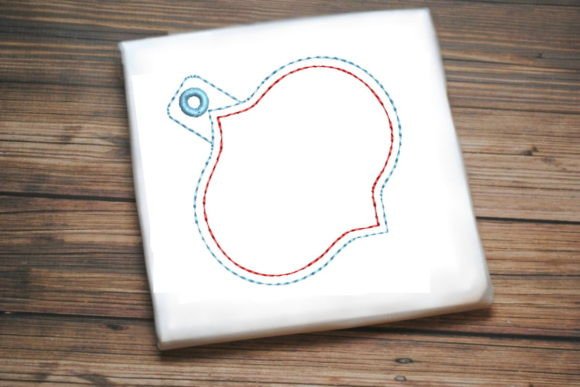
As a designer who has spent countless hours staring at stitch maps and testing tension on various fabrics, I approach every new machine embroidery design with a mix of curiosity and skepticism. We have all been there: you download a file that looks pristine in the preview, only to find it puckers the fabric or loses its charm once the needle hits the cloth. Recently, I took a closer look at the Elegant Key Ring pattern, evaluating it not just as a digital asset, but as a viable component for real-world commercial and personal projects.
The first impression of this design is one of understated sophistication. It does not scream for attention with excessive density or chaotic lines. Instead, it offers a clean, structured layout that feels intentional. For those of us in the craft business, this balance is crucial. A design that is too busy can overwhelm a small item, while one that is too simple may fail to justify the price point. The Elegant Key Ring sits comfortably in the middle, offering enough visual interest to feel premium without requiring an hour of machine time.
Real-World Application Beyond the Hoop
While the product description highlights its primary use for personalized keychains, my mind immediately went to broader applications. In the world of Accessories, versatility is king. I envisioned this design stitched onto a small, leather-like vinyl patch for a custom tote bag. The clean lines of the design would hold up well against the smooth texture of vinyl, providing a chic, boutique feel that appeals to modern buyers.
I also tested the concept mentally for sweatshirt embroidery. Placing a smaller version of this motif on the cuff or near the hem of a crewneck could serve as a subtle brand marker or a personalized touch for a gift. Unlike large chest logos, these small accents are trending heavily among Etsy sellers who want to offer high-value customization without the risk of large-scale stitching errors. The design’s ability to accommodate a first letter, a whole name, or a small graphic makes it adaptable for both monogrammed gifts and branded merchandise.
Stitch Quality and Fabric Considerations
When evaluating any embroidery file, I look closely at how it handles different fabric textures. This design appears to rely on a combination of satin stitch borders and potentially lighter fill stitch areas, depending on the size scaling. For a personalized gift like a baby item, this is generally safe, provided you use the correct stabilizer. On stretchy fabrics like jersey or interlock, which are common in baby embroidery, a cut-away stabilizer is non-negotiable to prevent distortion.
However, caution is advised when working with very thin or delicate fabrics. If you plan to use this on a silk scarf or a lightweight linen tote bag design, ensure your thread tension is perfectly balanced. Dense areas can cause puckering if the fabric cannot support the thread weight. I always recommend running a test on scrap fabric of the same type before committing to the final finished product. This is especially true for dark fabrics where you might need an underlay or a specific thread color strategy to ensure the design pops without looking muddy.
Commercial Viability and Branding
For small shop product creators, the perceived value of an item is often tied to the clarity of the embroidery. The Elegant Key Ring excels here because its lines are distinct. When customers receive a handmade product, they inspect the stitching. Clean edges and consistent density build trust. This design supports that professional presentation. It is not just about the aesthetic; it is about the reliability of the output. A design that stitches out cleanly every time reduces waste and increases profit margins for commercial embroidery operations.
Furthermore, this design fits seamlessly into seasonal collections. Imagine it as part of a holiday embroidery series, perhaps paired with a small holly leaf or snowflake element. Its neutral elegance allows it to adapt to various themes without clashing. For digital embroidery file sellers, offering this as part of a bundle with matching applique design elements could increase average order value. It serves as a strong foundational design asset that can be modified slightly to create multiple SKU variations.
Practical Notes for the Embroiderer
Before you load this into your machine, consider these practical steps to ensure success:
- Check the hoop size: Ensure the design fits comfortably within your smallest hoop if you are making keychains, but verify it scales well if you intend to use it on larger items like aprons or pillow covers.
- Thread color contrast: Test the design in both high-contrast and low-contrast thread combinations. A monochromatic look can be very sophisticated, but ensure the thread colors provide enough definition for the details to be visible.
- Review stitch density: If the design feels stiff after stitching, consider reducing the density slightly in your software if you have the editable version, or choose a softer thread like rayon over polyester for a more luxurious drape.
- Mockup testing: Create printable mockup images using the design on various backgrounds. This helps visualize how it will look on your online store before you even stitch a single sample.
It is also vital to confirm the licensing terms. While many designs allow for commercial use of finished physical items, rules regarding the resale of the digital embroidery file itself vary. Always read the license agreement to protect your craft business and maintain good standing in the community.
Final Verdict
The Elegant Key Ring is a solid addition to any designer’s library. It is not flashy, but it is reliable, versatile, and professionally composed. It bridges the gap between a simple utility item and a thoughtful personalized gift. Whether you are creating custom apparel accents, boutique keychains, or decorative patches, this design offers the clarity and style needed to impress discerning customers. Just remember to respect the fabric, choose your stabilizer wisely, and always test before you produce. In the end, the best embroidery is not just about the design file; it is about the care taken in its execution.