E2E-Gingerman Quilting: A Designer’s Review
As an embroidery designer who spends countless hours digitizing and testing patterns, I am always on the lookout for designs that balance whimsical charm with technical reliability. Recently, I evaluated E2E-Gingerman Quilting from Creative Fabrica to determine its viability for real-world commercial projects. This is not just a theoretical review; it is an assessment based on how this digital embroidery file performs when translated into tangible, handmade products.
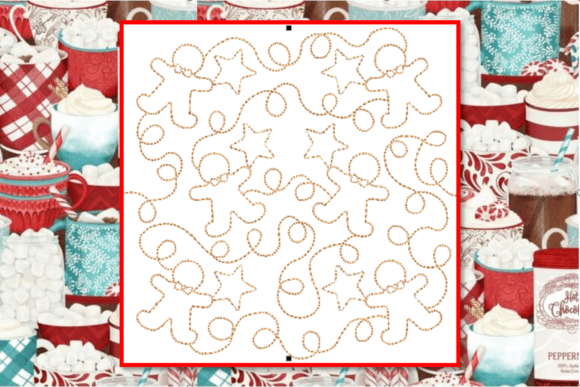
The concept behind this design is straightforward yet effective. It utilizes the edge-to-edge quilting method, which is renowned for creating seamless, continuous patterns across large fabric areas. The motif features gingerbread men, instantly evoking the warmth and nostalgia of the Christmas season. For designers looking to expand their holiday catalog, understanding the practical application of such a pattern is crucial before committing to production.
Visual Appeal and Stitch Personality
Upon initial inspection, the visual mood of E2E-Gingerman Quilting is playful and inviting. The gingerbread figures are stylized enough to be recognizable without requiring excessive detail that could lead to stitching errors on smaller scales. The design relies heavily on clean lines and consistent spacing, which is essential for any edge-to-edge pattern. If the spacing is irregular, the final quilted look will appear disjointed rather than cohesive.
The stitching personality here leans towards simplicity. It does not attempt to overcomplicate the motif with dense fill stitches or complex satin stitch borders that might pucker lightweight fabrics. Instead, it appears to utilize a combination of running stitch and moderate density fills to define the gingerbread shapes. This approach is beneficial for speed and reduces thread consumption, two critical factors for small business owners managing profit margins on custom apparel and home decor items.
Practical Applications for Handmade Products
While the product description highlights quilting, the versatility of this machine embroidery design extends far beyond traditional bed quilts. In my evaluation, I considered how this pattern could elevate various handmade products. Here are several applications where E2E-Gingerman Quilting could shine:
- Tote Bag Design: Using this pattern as an all-over print on canvas tote bags creates a festive, high-value item perfect for holiday markets.
- Sweatshirt Embroidery: Applied to the back or sleeves of a hoodie, it adds texture and seasonal flair without overwhelming the garment.
- Kitchen Towels and Aprons: The theme fits naturally into kitchen textiles, offering a charming gift option for hosts and hostesses.
- Pillow Covers: Edge-to-edge designs work beautifully on square pillow covers, providing a uniform, professional finish.
- Nursery Decor: For non-holiday specific uses, the gingerbread motif can be adapted for cozy winter-themed nursery items.
For Etsy sellers and boutique merchandise creators, the key is presentation. A well-executed embroidered surface adds tactile value that printed graphics cannot match. When customers see the raised texture of the thread, it reinforces the perception of quality and craftsmanship.
Technical Considerations and Fabric Compatibility
Before launching into full production, there are several technical aspects to consider. Since this is an edge-to-edge design, hoop size is a primary concern. You must confirm that your machine’s hoop dimensions align with the file specifications provided on the Creative Fabrica product page. Misalignment can result in visible jumps or breaks in the pattern continuity.
Fabric choice plays a significant role in the outcome. Textured fabric, such as linen or heavy cotton, may hide minor imperfections but can also make registration difficult. Stretchy fabric requires careful attention to stabilizer selection. I recommend using a cut-away stabilizer for garments like sweatshirts to ensure the design remains stable after washing. For woven items like tote bags or aprons, a tear-away stabilizer might suffice, but testing is essential.
Dense stitch areas can cause puckering, especially on lighter materials. While E2E-Gingerman Quilting appears to have a balanced stitch density, it is wise to run test stitches on scrap fabric identical to your final material. Pay close attention to thread colors. High-contrast thread colors against dark fabric can highlight any tension issues, while monochromatic schemes offer a subtle, elegant look suitable for sophisticated custom apparel.
Enhancing Product Value and Brand Consistency
Incorporating unique designs like this into your product line can significantly enhance buyer trust. When customers receive a personalized gift or a custom item with precise, clean stitching, they are more likely to return. The consistency of an edge-to-edge pattern helps establish brand recognition. If your shop becomes known for high-quality, themed embroidery, you build a loyal customer base.
Furthermore, this design aids in product photography. The repetitive nature of the pattern creates visually appealing backgrounds for flat-lay shots. Whether you are creating printable mockups for digital listings or photographing finished products for social media, the structured layout of the gingerbread men provides a pleasing aesthetic that draws the eye.
Essential Pre-Production Checklist
To ensure success with E2E-Gingerman Quilting, follow these practical steps before stitching your final product:
- Verify File Details: Check the Creative Fabrica product page for specific file formats and hoop size compatibility. Do not assume universal compatibility.
- Review Licensing: Confirm the license terms regarding commercial use. Ensure you are permitted to sell finished items made with this digital embroidery file.
- Test on Scrap Fabric: Always stitch a sample on the same type of fabric you intend to use. This reveals any issues with tension or density.
- Check Thread Contrast: Experiment with different thread colors to see how they interact with your fabric. Consider both light and dark fabric mockups.
- Inspect Small Details: After stitching, examine the gingerbread faces and limbs. Ensure no threads are loose and that the details remain crisp.
- Use Proper Stabilizer: Match the stabilizer to the fabric weight and stretch. Incorrect stabilization is the most common cause of poor embroidery results.
By adhering to these guidelines, you mitigate the risk of wasted materials and unhappy customers. Remember, the goal is to create a durable, attractive finished product that stands up to frequent washing and daily use.
Final Thoughts on Seasonal Embroidery
E2E-Gingerman Quilting offers a delightful solution for designers looking to add a touch of holiday cheer to their offerings. Its strength lies in its simplicity and versatility. While it is rooted in Christmas themes, the execution allows for broad application across various textile products. For creative entrepreneurs, the ability to produce high-volume, consistent designs efficiently is invaluable.
Whether you are decorating caps, creating embroidered patches, or designing elaborate quilt tops, this design serves as a reliable asset. It bridges the gap between traditional quilting aesthetics and modern machine embroidery capabilities. As with any design asset, success depends on thorough testing and attention to detail. By treating this file with the care it deserves, you can transform a simple digital download into a profitable, cherished handmade product.