Reviewing Two Blue Deer-1463A for Holiday Projects
As a designer who has spent years staring at digitized files and watching needles fly across fabric, I have learned that not every machine embroidery design is created equal. Some look stunning on a screen but turn into a tangled mess of thread on the hoop. Others are simple yet carry enough visual weight to elevate a plain garment into a boutique-quality item. Recently, I pulled up Two Blue Deer-1463A to evaluate its potential for my upcoming winter collection, and I want to share my practical observations with fellow makers, Etsy sellers, and craft entrepreneurs.
First Impressions and Visual Mood
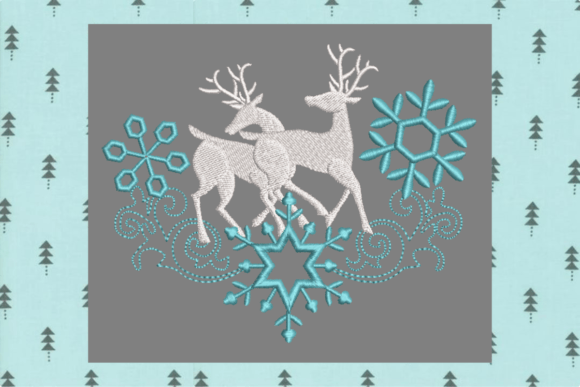
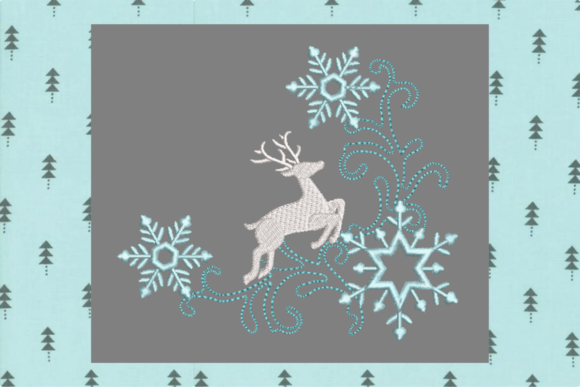
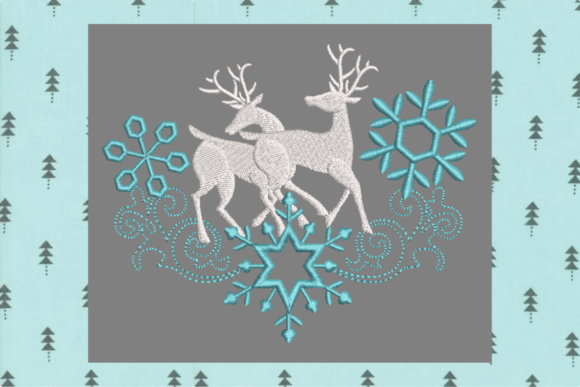
The first thing that strikes you about Two Blue Deer-1463A is its serene, wintry aesthetic. The composition features two deer rendered in cool blue tones, which immediately sets a calm, sophisticated mood rather than the chaotic brightness often associated with holiday decor. This subtlety is a strength. In a market saturated with red and green overload, a design that leans into cooler palettes offers a refreshing alternative for customers seeking modern or minimalist holiday embroidery.
The layout suggests a balanced symmetry that works well for centered placements. Whether you are envisioning this on a tote bag design or the chest of a sweatshirt, the visual personality feels grounded. It does not scream for attention; instead, it invites a closer look. For small business owners, this kind of understated elegance can help differentiate your brand from competitors who rely on loud, generic graphics.
Real-World Application: The Linen Test
To truly understand how a file performs, you must imagine it stitched out. The product description highlights that Two Blue Deer-1463A is perfect for Christmas Holiday or New Year’s dinner linens, such as tablecloths, napkins, and table runners. I decided to mentally walk through a real-life scenario involving a custom order for a client who wanted coordinated kitchen textiles.
I imagined stitching this onto a heavy-weight linen table runner. Linen has a distinct texture and can be tricky due to its weave. If the stitch density of the deer design is too high, it could pucker the fabric. If it is too low, the linen might show through, ruining the crispness of the blue hues. Based on the visual complexity of the deer, I suspect this design relies on a mix of fill stitch for the bodies and perhaps satin stitch or running stitch for finer details like antlers or outlines. This combination is ideal for home decor because it provides coverage without excessive bulk.
Beyond linens, consider Christmas stockings. A stocking is a curved, three-dimensional object. Placing Two Blue Deer-1463A here requires careful hooping. The design’s horizontal spread needs to fit comfortably within the standard stocking cuff area without distorting when the item is hung. For throw pillows, the design would likely sit beautifully in the center, acting as a focal point against a solid-colored velvet or cotton cover.
Versatility Beyond the Table
While the primary suggestion is for home decor, my experience tells me that versatile designs sell better. I evaluated how Two Blue Deer-1463A might translate to custom apparel. Imagine a navy blue fleece jacket or a cream-colored apron. The blue tones of the deer would harmonize beautifully with navy, creating a monochromatic, high-end look. On a cream apron, the contrast would be sharp and clean, appealing to chefs or home cooks who appreciate artistic touches in their workspace.
For Etsy sellers looking to expand their catalog, this design could easily adapt to baby embroidery projects. A onesie or a baby blanket featuring these gentle deer would make a thoughtful, gender-neutral gift. However, one must be cautious with scale. If the original file is large, it may need resizing for infant garments. Always check if the design retains its clarity when scaled down, as tiny details can get lost or become dense blobs on small items.
Technical Considerations and Pitfalls
No design is without its challenges. When working with Two Blue Deer-1463A, there are specific scenarios where you should proceed with caution. First, consider dark fabric. If you plan to stitch this on black or deep charcoal material, the blue threads must have sufficient contrast. You may need to adjust the thread colors in your machine software to ensure the deer do not disappear into the background. A test run on scrap fabric is non-negotiable here.
Second, think about stretchy fabric. If you are applying this to a t-shirt or a knit cap, the stability of the design is crucial. Deer antlers, if detailed, can be prone to distortion if the fabric shifts during stitching. Using a high-quality cut-away stabilizer is essential to maintain the integrity of the shape. For caps, which have curved surfaces, ensure the design width fits your cap frame and that the curvature does not warp the symmetry of the two deer.
Additionally, be mindful of hoop size limitations. If the design is large, it may require a jumbo hoop. Not all home machines support this, so verify the dimensions before purchasing if you are working with smaller equipment. For commercial embroiderers, this is less of an issue, but for hobbyists, it can be a dealbreaker.
Enhancing Brand Value and Customer Trust
From a business perspective, the quality of your embroidery file directly impacts perceived value. A clean, well-digitized design like Two Blue Deer-1463A signals professionalism. When customers receive a personalized gift or a handmade product with crisp edges and no thread breaks, their trust in your brand grows. This leads to repeat business and positive reviews.
Use this design to create consistent design assets for your shop. Create printable mockups showing the deer on various products—aprons, pillows, and towels—to help customers visualize the end result. This reduces hesitation and increases conversion rates. Remember, whether you are selling the digital embroidery file itself or the finished product, presentation is key.
Final Designer Notes
Before you commit to a large production run or list this as a new item in your craft business, take these practical steps:
- Test on scrap fabric: Always stitch a sample on the exact material you intend to use for the final product.
- Check thread contrast: Ensure the blue shades stand out against your chosen fabric background.
- Review stitch density: Look for areas that might be too dense, which could cause puckering, especially on lighter fabrics.
- Confirm licensing: If you plan to sell items made with Two Blue Deer-1463A, verify the license terms provided by the creator to ensure commercial embroidery rights are included.
- Inspect small details: Zoom in on the digital file to check for any jagged edges or unnecessary jump stitches that could affect the finish.
In conclusion, Two Blue Deer-1463A offers a refined, versatile option for winter-themed projects. It bridges the gap between traditional holiday motifs and modern design sensibilities. With proper preparation and attention to technical details, it can become a staple in your embroidery project lineup, adding value to everything from dinner linens to embroidered patches and sweatshirt embroidery. Treat it with the care it deserves, and it will reward you with beautiful, professional results.