Potting Shed Garden Shop: A Designer’s Review
As an embroidery designer who spends hours digitizing and testing files, I approach every new download with a critical eye. We all know the struggle of finding a machine embroidery design that looks beautiful on screen but translates poorly to fabric. Recently, I came across Potting Shed Garden Shop on Creative Fabrica, and it immediately caught my attention for its rustic charm and potential versatility. This review breaks down how this design performs in real-world scenarios, from initial impression to final stitch-out.
First Impressions and Visual Mood
The first thing that strikes you about Potting Shed Garden Shop is its serene, nature-inspired aesthetic. It fits perfectly within the Outdoor Quotes category, evoking the quiet joy of gardening and outdoor living. The visual mood is warm and inviting, suggesting a cozy potting shed filled with terracotta pots and greenery. For those of us creating handmade products, atmosphere is everything. This design does not just place text on fabric; it creates a scene.
The detail level appears balanced. It avoids the common pitfall of being overly complex, which can lead to thread breaks or excessive trimming time. Instead, it offers a decorative appeal that feels organic. When I visualize this as part of my design assets library, I see it working well for customers who appreciate cottage-core aesthetics, botanical themes, and slow living. It brings the beauty of the outdoors to life in every stitch, making it a strong contender for seasonal collections.
Real-World Application and Product Fit
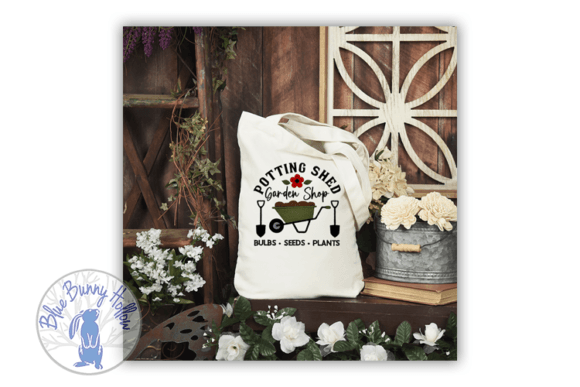
Where does Potting Shed Garden Shop truly shine? In my experience, designs with this kind of thematic strength perform best on items that align with their narrative. I immediately considered using this embroidery file for a canvas tote bag. The rustic font and garden imagery pair naturally with the texture of heavy cotton or linen. It transforms a simple bag into a statement piece for farmers' market visits or garden center trips.
Beyond totes, this design is ideal for custom apparel. Imagine this stitched onto the back of a lightweight denim jacket or the chest of a neutral-toned sweatshirt. The sweatshirt embroidery trend is still going strong, and buyers are looking for unique, non-generic graphics. This design offers that uniqueness without being too loud. It also works beautifully on aprons. For a client who loves hosting dinner parties or spending time in their garden, an apron featuring Potting Shed Garden Shop becomes a cherished personalized gift.
For Etsy sellers and small business owners, this design opens doors for niche marketing. You can bundle it with other botanical elements to create a cohesive spring collection. It is suitable for commercial embroidery projects where you need to produce multiple units efficiently. Whether you are selling at craft fairs or through an online boutique, the visual appeal of this design helps your products stand out in crowded marketplaces.
Technical Considerations for Stitching
While the aesthetic is promising, we must discuss the technical execution. As a professional, I always advise checking the specific file details on the Creative Fabrica product page before purchasing. However, based on general principles for this style of Embroidery, here are key factors to consider.
Stitch Density and Fabric Choice: Designs with text and illustrative elements often rely on a mix of satin stitch for lettering and fill stitch for graphical components. If the design includes dense areas, you must use a proper stabilizer. For stretchy fabrics like jersey knits used in t-shirts, a cut-away stabilizer is essential to prevent puckering. For woven fabrics like tote bags or aprons, a tear-away may suffice, but always test on scrap fabric first.
Hoop Size and Placement: Before starting, confirm the hoop size required for the specific format you download. If you are stitching on curved surfaces, such as a cap, ensure the design fits within the cap frame without distortion. An embroidered patch might be a safer bet if you are unsure about stitching directly onto a structured hat. Always check the dimensions to ensure the text remains legible. Tiny lettering can become illegible if scaled down too far or if the thread color lacks contrast against the fabric.
Thread Colors and Contrast: The success of this design depends heavily on your thread colors selection. Earth tones, sage greens, and muted browns will enhance the "potting shed" vibe. Avoid neon or overly bright colors unless you are aiming for a modern, ironic twist. Test your color combinations on both light and dark fabric mockups. On dark fabrics, ensure the design has enough brightness to pop, or consider using a lighter underlay if the digitizing allows.
Enhancing Product Value and Brand Consistency
Using high-quality designs like Potting Shed Garden Shop directly impacts buyer trust. When customers see clean, well-executed stitching, they perceive higher value. This design supports brand consistency if your shop focuses on nature, home, or lifestyle themes. It helps create a recognizable style that customers return to.
For product photography, this design offers excellent opportunities. Style your finished tote bag design or apron with real gardening tools, potted plants, or natural light. These contextual shots increase customer engagement and help buyers visualize the product in their own lives. A well-presented finished product sells itself. Furthermore, if you offer digital services, you can use this design in printable mockup scenes to showcase your capabilities to potential clients without stitching every single sample.
Final Verdict and Practical Tips
Is Potting Shed Garden Shop worth adding to your library? For designers focusing on rustic, botanical, or home-themed handmade gifts, yes. It offers a professional look that requires minimal editing if the digitizing is sound. However, always remember to verify the license terms on the Creative Fabrica product page. Ensure you are compliant with commercial use rules if you plan to sell physical items.
Before committing to a large order, stitch out a test sample. Inspect small details after stitching to ensure no loose threads or jumps are visible. Check the running stitch outlines for stability. If the design includes an applique design element, ensure your fabric choice complements the applique material.
In conclusion, this design brings a touch of serenity to your portfolio. It is versatile enough for kitchen towels, pillow covers, and nursery decor, yet specific enough to attract a targeted audience. By paying attention to stabilizer choice, thread contrast, and hoop placement, you can turn this digital embroidery file into a best-selling item. Embrace the potential of this gardening-inspired piece, and let it inspire your next creative project.